

 中文
中文

What Can You Put in Your Food Waste Disposer?
Editor:Hangzhou Cleesink Mechanical & Electrical Co., Ltd
Date:2026-04-11 12:01:48
Views:122

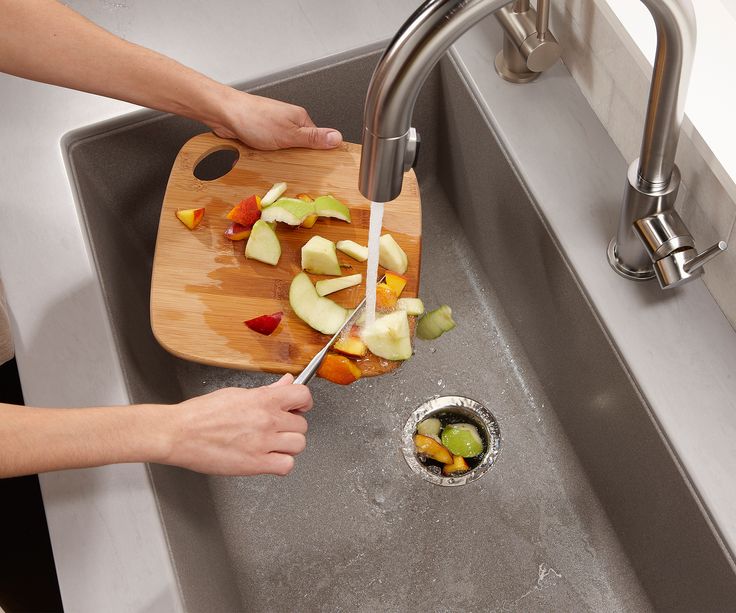
To keep your food waste disposer running at peak performance and prevent plumbing issues, knowing what to grind is essential. While our units are high-powered, proper categorization ensures a hassle-free kitchen experience.
Fruit & Vegetable Scraps: Most peels and ends, such as apples, potatoes, and carrots.
Leftovers: Cooked meat scraps, grains, and general table scraps.
Soft Seeds: Melon seeds, grape seeds, and small fruit pits.
Natural Abrasives: Occasionally grinding small bones (like chicken bones) or ice cubes actually helps "scour" the grind chamber walls.
Fibrous Foods: Celery stalks, corn husks, and asparagus. These fibers can act like "strings" and tangle around the grinding components.
Fats & Grease: Liquid fats or thick oils. They might pass the disposer but will solidify in your pipes, causing major clogs.
Expandable Foods: Large amounts of rice, pasta, or oatmeal. These absorb water and expand, potentially creating a blockage in the trap.
Hard Non-Food Items: Large beef bones, heavy shells (clams/oysters), and definitely no glass, metal, or plastic.
Water First: Always turn on the cold water before starting the disposer.
The Final Flush: Let the water run for 15 seconds after the grinding noise stops to ensure all waste reaches the main sewer line.
Don't Overstuff: Feed the scraps in small batches rather than cramming them in all at once.